Process Control

Shell Pernis

BioTector selected by Shell ending six years search for reliable on-line TOC analyzer

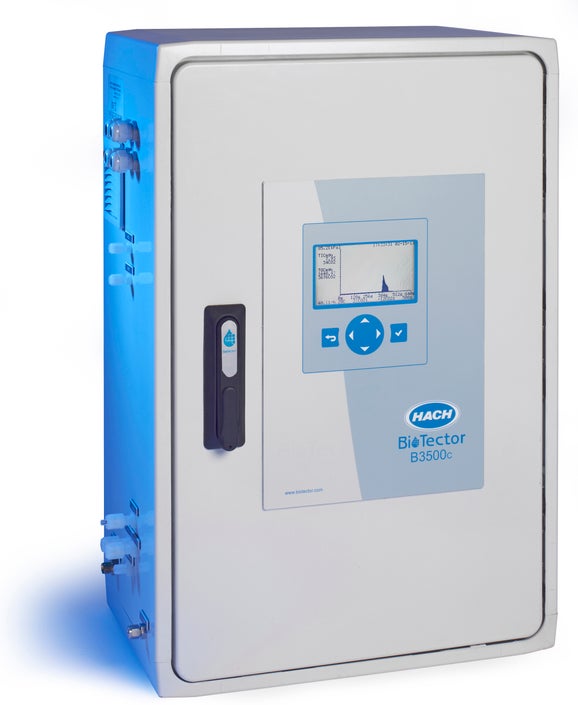
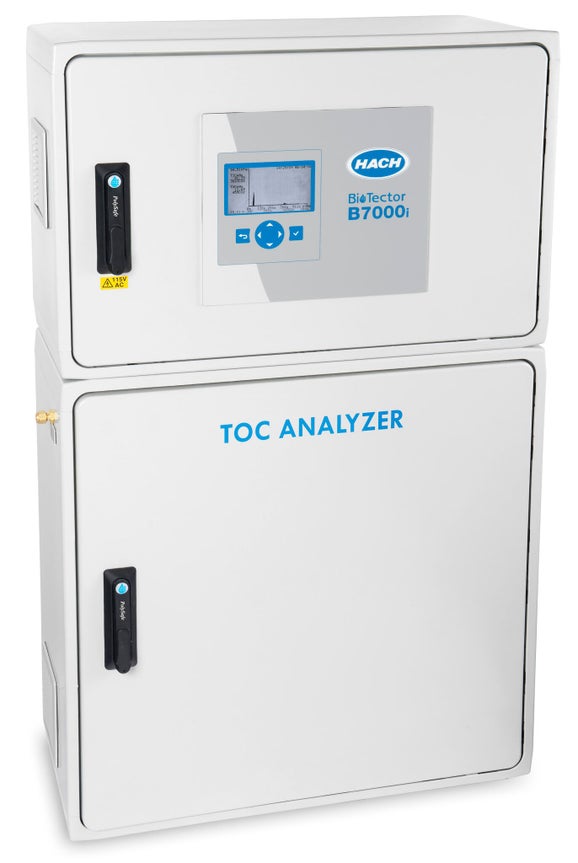
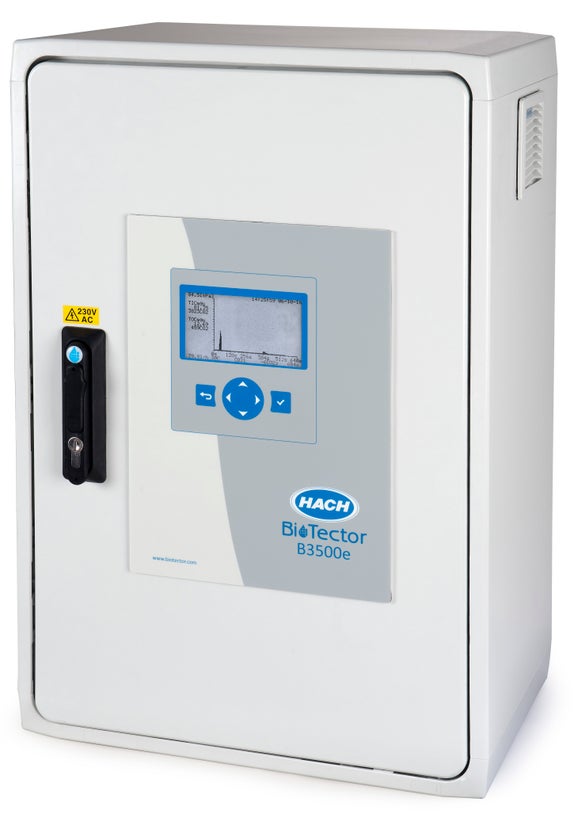
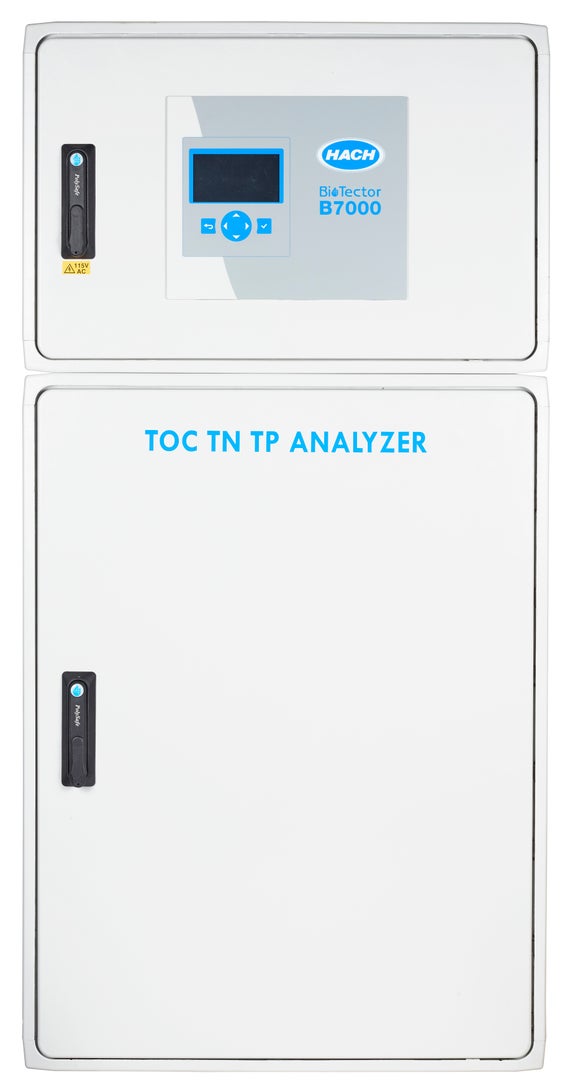
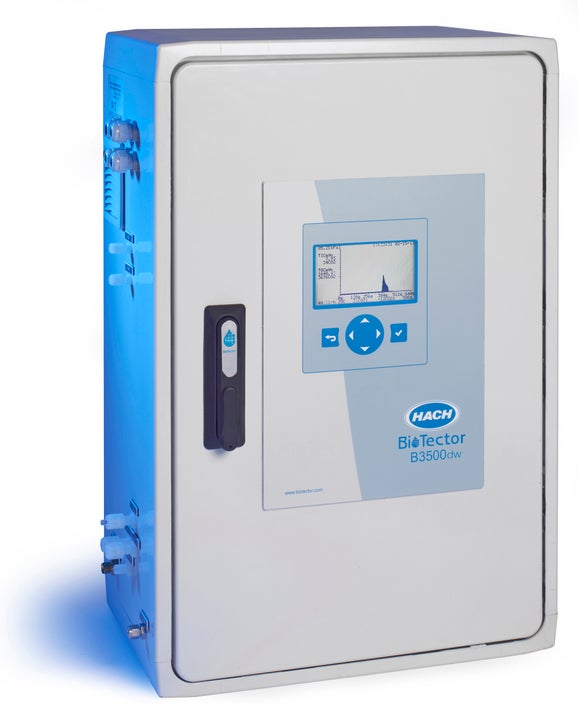
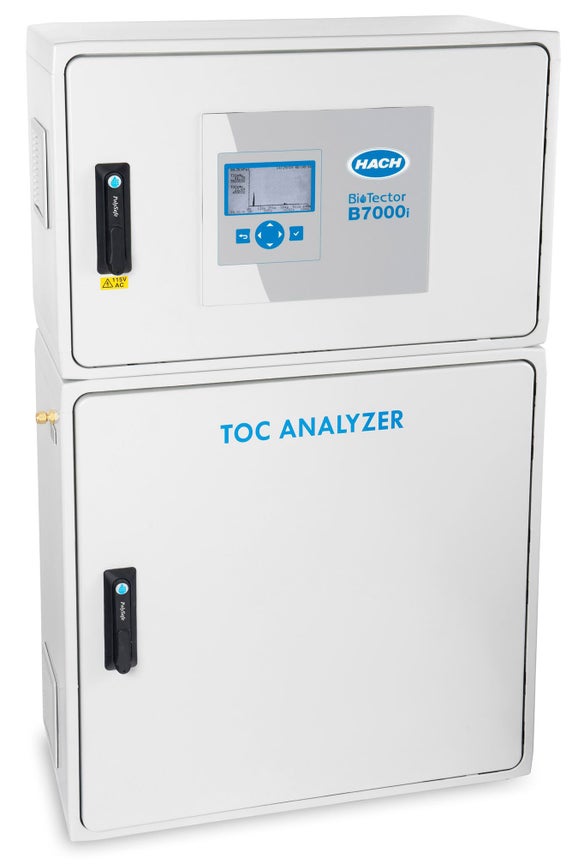
After six years of searching, Shell Pernis in Rotterdam has finally selected the BioTector TOC analyzer for its difficult on-line application. The BioTector uses a unique oxidation method based on hydroxyl radicals and its proven ability to operate successfully even in the most difficult applications sets it apart from other TOC analyzers currently on the market.

The Shell project started in November 1993 and had as its directive the identification of a Total Organic Carbon (TOC) analyzer that would give reliable results in an application having both high calcium and high salts concentrations. Most of the instruments that were tested failed after only a few hours operation as a result of the aggressive samples. In mid-1996, the BioTector was taken for testing and to Shell's surprise continued to run where all other analyzers failed. Further tests were carried out and the BioTector was approved in July 1999 as the only instrument that successfully meets Shell's stringent requirements.

The tests were carried out at a Shell epichlorohydrin (ECH) processing factory. ECH is an intermediate product made from cracked oil and ECH strippers are used in the process. Effluent from the strippers is monitored on-line by the BioTector TOC analyzer.

The effluent contains a mix of particle components together with Cl based chemical structures - a difficult combination for any TOC analyzer.

The standard procedure for TOC measurement has as its first step the removal of all inorganic carbons (IC), leaving only the organic carbons (OC) in the sample. This is normally achieved by lowering the pH in the sample and using a stripper gas to remove the carbon dioxide (CO2) that is formed.

Normally, the BioTector uses sulphuric acid (H2SO4) to remove the IC. Sulphuric acid, however, reacts with calcium to form gypsum (CaSO4), which builds up into a stone hard sediment within the analyzer. To avoid this, for the Shell application the BioTector uses hydrochloric acid (HCl).

High concentrations of salts and the use of hydrochloric acid combine to create a highly agressive environment. To avoid corrosion of the stainless steel reactor standard in the BioTector, a new reactor made of teflon® PFA (per fluor alkoxy) was specially developed for Shell and is now commercially available as an optional feature of the BioTector.

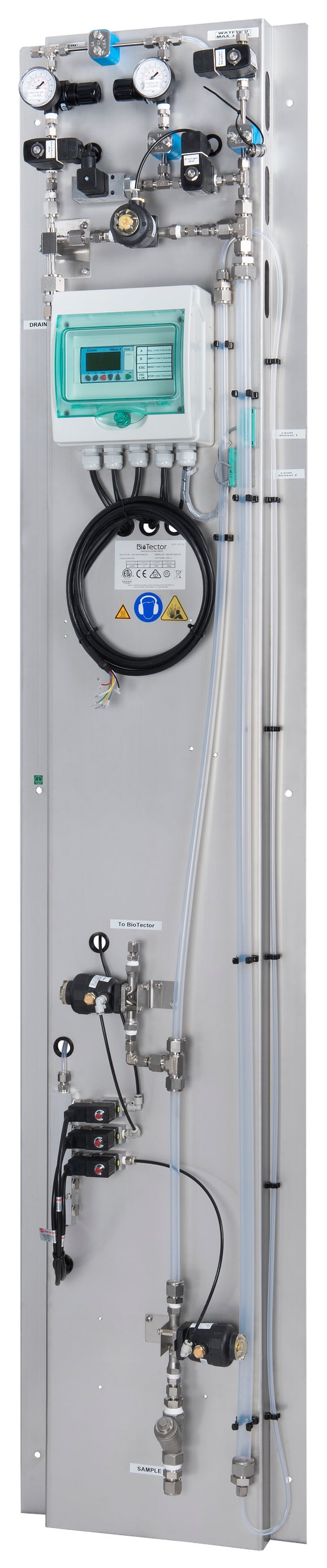
The BioTector was further fitted with an air purge system and certified for EExp Zone 2 use as it was to be installed in a hazardous area.

In July 1999, final tests on the BioTector's on-line operational reliability and accuracy were completed and the BioTector TOC analyzer is now approved as the recommended system for Shell.

The testing and resultant modifications of the BioTector developed in co-operation with Shell took 3 years. The experience gained from the tests and the modifications introduced have resulted in a superior product to the benefit of all users of on-line TOC analyzers worldwide. The Shell project proves that it is possible to carry out reliable on-line TOC analysis even in difficult industrial environments.